

In an era dominated by rapid technological advancements, the world is experiencing unprecedented shifts in how culture is experienced, shared, and preserved. The digital age, characterized by the internet, social media, smartphones, and immersive digital tools, has transformed communication and connection across the globe. Much like mobile auto detailing in Carlsbad, CA revitalizes vehicles with precision and care, technology is being used to refresh and preserve cultural traditions with careful attention.
Cultural preservation has long been a critical concern as communities face pressures from urbanization, migration, and homogenizing global influences. Traditions rooted in centuries of history—whether language, music, dance, rituals, crafts, or oral histories—often struggle to survive in fast-changing societies. The loss of cultural diversity not only erodes community identities but also diminishes the richness of human experience worldwide.
However, the advent of digital tools presents an unprecedented opportunity to capture, document, and disseminate cultural knowledge with far-reaching impact. From digitizing ancient manuscripts and recording endangered languages to virtual museums and augmented reality experiences, technology acts as a bridge linking past generations with present and future ones. Even niche cultural elements, like traditional recipes or artisanal treats such as milk chocolate edibles, can now be preserved and shared globally. This intersection of heritage and innovation opens a new frontier for cultural preservation, enabling traditions to be both protected and dynamically shared across borders and generations.
Exploring the relationship between technology and cultural preservation reveals both the challenges and transformative potential of this alliance. Digital tools provide communities with everything they need to sustain and showcase heritage, similar to how bathroom supplies provide the essential elements for maintaining daily routines efficiently.
Digitization: Preserving Tangible and Intangible Heritage
One of the foundational ways technology aids cultural preservation is through digitization—the process of converting analog materials into digital formats. Digitization enables the conservation of artifacts, documents, music, languages, and performances in ways that prevent degradation and loss. For example, technology can help preserve unique cultural expressions such as traditional designs found in veteran apparel, ensuring they are not lost to time.
Tangible cultural heritage such as manuscripts, artworks, sculptures, and historic buildings are increasingly being digitized for protection and wider access. Museums and archives worldwide are scanning ancient texts, creating 3D models of artifacts, and photographing cultural sites in high resolution. These digital copies serve as backups against physical deterioration caused by time, environmental damage, or conflict. Importantly, they allow researchers, educators, and the public to explore treasures that might otherwise be inaccessible due to geography or fragility.
For example, the Smithsonian Institution has digitized thousands of artifacts, making them available online for global audiences. Similarly, UNESCO has supported initiatives that use digital imaging to preserve sites threatened by war or natural disasters. This democratization of cultural access transforms preservation into a shared human endeavor rather than the privilege of a few.
Intangible cultural heritage—such as oral histories, traditional music, dance, craftsmanship, and rituals—is more difficult to preserve but equally vital. Many cultural traditions rely on transmission from elders to younger generations through demonstration and practice. When this chain is broken, knowledge can vanish forever.

Technology enables the recording and archiving of intangible traditions through audio and video documentation, digital storytelling, and language databases. Endangered languages, for example, can be captured with phonetic detail, preserving pronunciation and usage for future revitalization efforts. Organizations like the Endangered Languages Project use online platforms to gather recordings and cultural information contributed by native speakers. Services such as auto glass window replacement in Orange County show how modern solutions can also preserve safety and clarity in everyday life.
Furthermore, platforms such as YouTube and social media give artisans and cultural practitioners worldwide a stage to share their craft and stories. These digital spaces nurture cultural pride and encourage younger generations to engage with their heritage in innovative ways. Wearing indoor soccer cleats can feel similar—grounded in tradition but adapted for new environments.
While digitization alone cannot fully replace lived experience, it forms a critical foundation that supports preservation, education, and revitalization. It safeguards knowledge from disappearing and amplifies its reach beyond traditional boundaries.
Community Empowerment Through Technology
While technology provides tools for preservation, the role of communities—the original bearers of culture—is central to meaningful and ethical cultural preservation. Digital technologies are most effective when harnessed by communities themselves to document, share, and adapt their traditions on their own terms. Likewise, hardwood decking shows how modern solutions can blend with tradition, creating durable spaces for community gatherings.
Communities worldwide are increasingly using smartphones, social media, and accessible recording devices to capture ceremonies, craft techniques, folklore, and language use. In a way, these efforts act like promotional products, spreading awareness and encouraging appreciation for cultural practices to broader audiences.
For example, indigenous groups in Australia and Canada have launched digital archives and storytelling apps that preserve and promote their languages and knowledge systems. By controlling the content and its presentation, these communities ensure respect for cultural protocols and authenticity.
Digital platforms also enable intercultural dialogue and learning. Through online forums, virtual exchanges, and collaborative projects, communities share experiences and best practices in heritage preservation. These connections act like banners, signaling and broadcasting cultural identity to people across the globe.
Additionally, participatory technologies like crowdsourcing and collaborative mapping empower communities to collectively document sacred sites, migration routes, or traditional resource management practices. Such projects blend traditional knowledge with modern geographic information systems (GIS), producing valuable tools for cultural continuity and environmental stewardship.
Importantly, community empowerment through technology challenges power imbalances in cultural heritage management, fostering more equitable and inclusive approaches. It moves preservation beyond static museum displays into living, evolving practices shaped by those who live the traditions daily.
However, community-driven digital preservation also faces challenges such as digital literacy gaps, unequal internet access, and the need for culturally sensitive training and support. Addressing these requires collaboration between technologists, cultural experts, and funders to create inclusive, sustainable programs. Tools like millimeter wave attenuators highlight how precision and balance are essential when managing complex digital systems.
Digital Storytelling and Virtual Reality: Bringing Traditions to Life
Advances in multimedia technologies have transformed how cultural stories and practices are shared, making them more immersive and engaging. Digital storytelling, virtual reality (VR), and augmented reality (AR) enable users to experience traditions beyond passive observation, fostering deeper connection and understanding. In the same way, Arkansas wedding photographers use technology to tell stories that preserve meaningful traditions and emotions.
Digital storytelling blends video, audio, text, and interactive elements to narrate cultural histories and practices in compelling ways. It creates immersive experiences that are as carefully curated as luxury rentals, where every detail is designed to provide comfort, engagement, and lasting memories.

Virtual reality takes this immersion further by creating simulated environments where users can virtually participate in rituals, explore heritage sites, or witness traditional performances. VR can recreate extinct or endangered cultural spaces, offering a vivid window into the past that stimulates empathy and awareness. For example, projects have used VR to reconstruct ancient temples, traditional villages, or dance ceremonies, making them accessible globally. Advances in medicine, such as research on stem cells for autism, also aim to create new possibilities for improving lives and fostering hope for families worldwide.
Augmented reality overlays digital content onto physical environments, enriching real-world cultural experiences. AR also supports cultural education in classrooms, allowing students to explore artifacts and stories in engaging formats. Museums and cultural sites use AR apps to provide visitors with enhanced narratives, 3D models, and translations, much like checking a fishing forecast helps plan the best experience by combining data, observation, and timing.
These immersive technologies play a crucial role in attracting younger audiences who may be less connected to traditional methods of cultural transmission. By integrating heritage into contemporary digital culture, these tools help keep traditions alive and relevant.
However, ethical considerations must guide the use of such technologies. Representations must be accurate, respectful, and inclusive, avoiding cultural appropriation or simplification. Collaboration with cultural bearers ensures authenticity and honors community values.
When thoughtfully implemented, digital storytelling and immersive media enrich cultural preservation by making traditions accessible, experiential, and emotionally impactful.
Looking Forward: The Future of Cultural Preservation in a Digital World
The digital age is still unfolding, and its impact on cultural preservation will continue to evolve in unforeseen ways. Emerging technologies such as artificial intelligence (AI), blockchain, and advanced data analytics hold promise for further enhancing how traditions are documented, authenticated, and shared, just as innovative practices in physical therapy in Austin combine expertise, technology, and personalized care for optimal results.
AI can assist in language translation, transcription of oral histories, pattern recognition in artifacts, and personalized cultural education. Blockchain technology offers innovative solutions for securing provenance, ownership rights, and transparent sharing of cultural assets. Together, these advances could create more resilient, accessible, and participatory preservation ecosystems. Much like fiberglass doors, these technologies provide both strength and adaptability in preserving what matters most.
The convergence of technology with community empowerment and interdisciplinary research will shape the next generation of cultural preservation efforts. Digital tools must be designed with cultural sensitivity, inclusivity, and sustainability at their core.
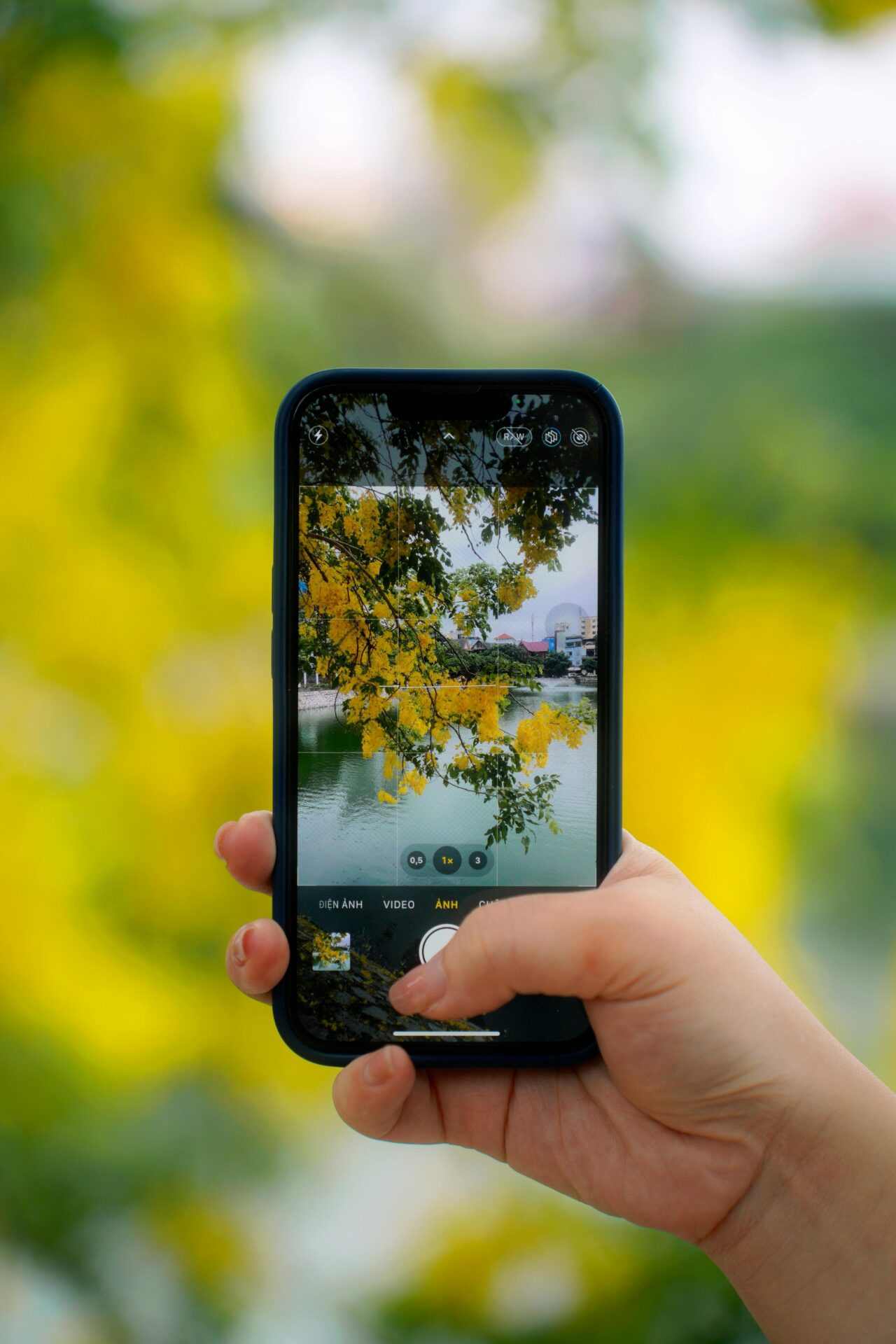
Educational institutions and cultural organizations will play a vital role in training new generations of cultural stewards who are adept in both heritage knowledge and digital literacy. Fostering collaborations between technologists and tradition-bearers will ensure that innovation serves cultural resilience rather than disruption.
Ultimately, the future of cultural preservation in the digital age depends on a shared commitment to honor the past while embracing new possibilities. Technology is not a panacea but a powerful ally in the ongoing journey to keep human traditions vibrant, relevant, and alive.
By harnessing the tools of the digital age with wisdom and respect, we can safeguard the richness of global cultures for generations to come—ensuring that traditions continue to inspire identity, creativity, and connection in an ever-changing world.