
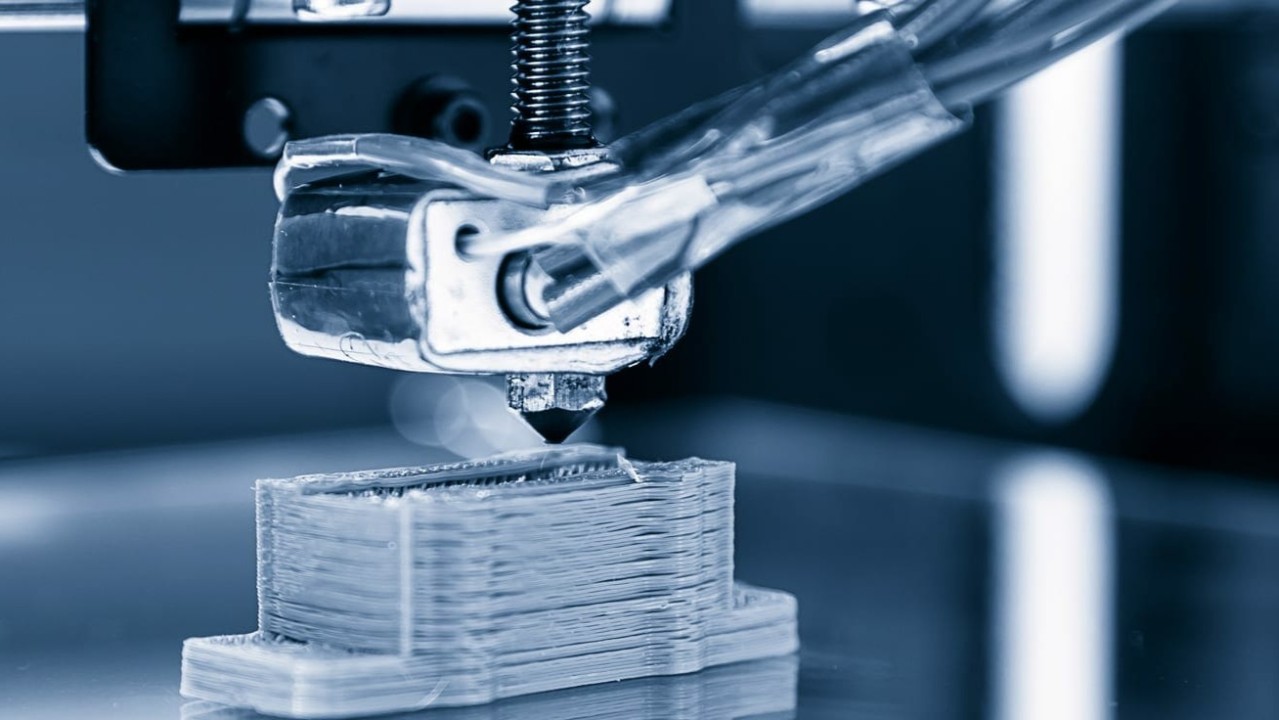
The manufacturing industry has witnessed significant advancements in technology, especially when it comes to prototyping parts. Traditionally, creating prototypes was a time-consuming and expensive process. However, modern technologies have revolutionized the field, offering faster, more efficient, and cost-effective solutions. This has been particularly impactful in industries such as automotive and marine engineering, where the need for precision and quality is paramount.
Enhancing Efficiency through 3D Scanning
One of the most revolutionary developments in prototyping is the advent of 3D scanning. This technology has enabled manufacturers to digitize physical objects with high precision, drastically improving the speed and accuracy of prototyping. By scanning a part or component, manufacturers can generate an exact digital model, which can then be modified and analyzed for performance and design flaws before any physical prototype is produced. Foundry Tooling for Iron and Aluminum Castings plays a crucial role in ensuring the quality of the physical prototypes created after the digital model is refined.
- Applications in Marine and Automotive Sectors: For industries such as marine engine manufacturing and electric car production, 3D scanning has become invaluable. For example, marine outboard engines require parts with intricate designs and tight tolerances, and 3D scanning helps create accurate prototypes without the need for extensive trial and error.
- Limitations to Consider: However, while 3D scanning provides a wealth of benefits, it is important to recognize its limitations. In some cases, scanning complex surfaces or materials with reflective finishes may not yield perfect results, which could affect the final prototype’s accuracy.
Advancing Prototyping with Machine Casting
Machine casting is another essential technique in modern prototyping. Unlike traditional casting methods, machine casting allows for the production of parts using advanced machinery that ensures high levels of accuracy and consistency. This method is used extensively in producing prototypes for parts that will be used in high-demand industries such as electric cars and marine engines.
- Marine Outboard Engines: Machine casting plays a critical role in producing durable and lightweight components for marine outboard engines. The precision it offers ensures that prototypes can be tested for functionality and performance before full-scale production begins, which is crucial for ensuring the reliability of marine engines under various conditions.
- Electric Car Components: Similarly, in the electric vehicle industry, machine casting helps produce prototypes for lightweight and efficient car components. With the rise in demand for electric cars, this method has helped speed up the prototyping process, allowing manufacturers to test and refine parts more quickly.
Optimizing Foundry Tooling for Iron and Aluminum Castings
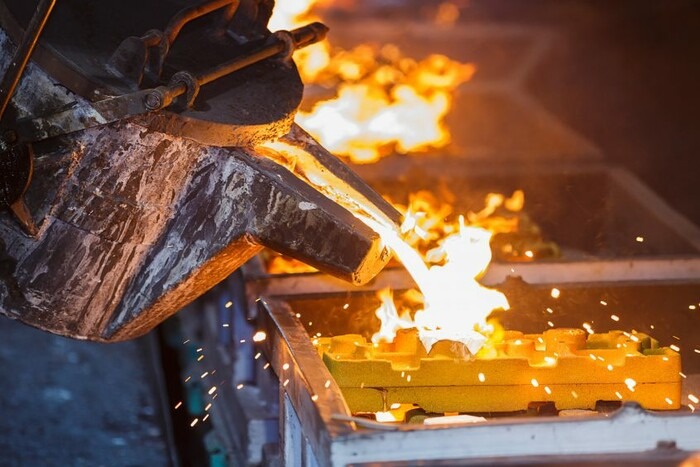
Foundry tooling for iron and aluminum castings has been a mainstay in manufacturing for centuries. However, modern developments in foundry tooling have made it possible to produce castings with much greater accuracy and efficiency, even in low-volume production runs. For industries that require specialized parts, like the automotive and marine sectors, foundry tooling allows for rapid prototyping without the need for large-scale production runs.
- Low-Volume Production: For prototyping, particularly in sectors like automotive and marine, foundry tooling for low-volume production iron castings offers a more affordable and efficient solution. Manufacturers can create smaller batches of prototypes or custom parts without the expense of producing a full-scale production line, which is ideal for testing and refining designs.
- Iron and Aluminum Castings for Performance: For example, in the electric vehicle industry, aluminum castings are often preferred due to their lightweight nature and strength. With advanced foundry tooling, manufacturers can ensure that the castings meet performance standards while still allowing for flexibility in design changes.
Conclusion
The integration of modern technologies such as 3D scanning, machine casting, and advanced foundry tooling has made prototyping for manufacturing parts faster, more precise, and more cost-effective. These advancements not only streamline the prototyping process but also ensure that parts meet high standards of quality and performance. Whether for marine outboard engines, electric cars, or other specialized components, these technologies are revolutionizing the way manufacturers approach product development, making it easier to innovate and bring new ideas to life.
