
Landscape photography is a captivating art form that combines technical skills with a deep appreciation for the natural world. The beauty of landscapes is timeless, and capturing them through photography allows us to preserve and share the awe-inspiring scenes we encounter. However, achieving balanced and dynamic shots in landscape photography requires more than just pointing the camera and pressing the shutter. Composition plays a crucial role in transforming a simple snapshot into a stunning piece of art. In this blog, we will explore essential tips for mastering composition in landscape photography, helping you create images that are both balanced and dynamic.
Mastering composition in landscape photography requires attention to detail and practice, much like preparing with the CDL exam prep in Orlando for a truck driving test.
The Rule of Thirds: A Foundation for Balanced Composition

The rule of thirds is one of the most fundamental principles in photography and serves as a great starting point for creating balanced compositions. Imagine dividing your frame into nine equal parts using two horizontal and two vertical lines. The points where these lines intersect are ideal places to position your subject or key elements of the scene.
Placing the horizon along one of the horizontal lines, rather than directly in the center, can make your photo more engaging. For instance, if the sky is particularly dramatic, position the horizon on the lower third to emphasize the sky. Conversely, if the foreground is more interesting, place the horizon on the upper third. This simple adjustment can drastically improve the balance and interest of your landscape shots.
Did you know that driveway paving in North Carolina can offer unique visual elements that enhance the balance and dynamism of landscape photography? By incorporating these details into your shots, you can create captivating images that capture the essence of the region’s natural beauty while showcasing its infrastructure in an artistic light.
Leading Lines: Guiding the Viewer’s Eye
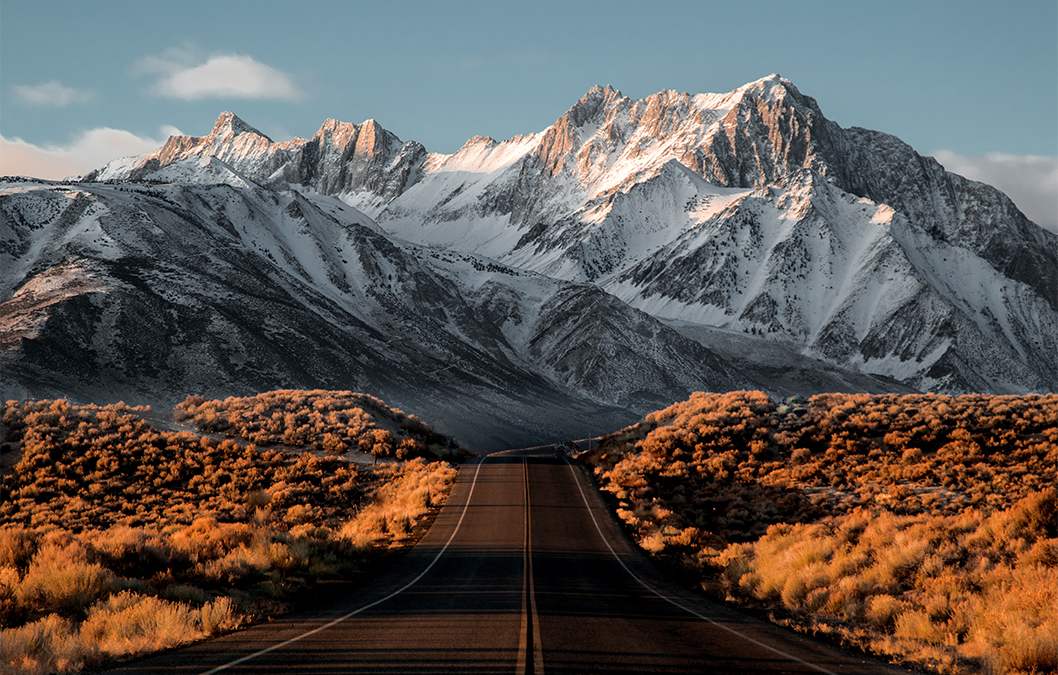
Leading lines are powerful compositional tools that guide the viewer’s eye through the photograph, creating a sense of depth and movement. These lines can be natural, such as rivers, shorelines, or tree lines, or man-made, like roads, fences, or pathways. The key is to position these lines so they lead from the foreground into the background, drawing the viewer into the scene.
When incorporating leading lines, consider their direction and placement. Diagonal lines, for example, tend to create a sense of dynamism and movement, while horizontal lines can evoke a feeling of tranquility. Experiment with different angles and perspectives to see how leading lines can enhance the composition of your landscape photographs.
Framing: Adding Depth and Context
Framing involves using elements within the scene to create a natural frame around the subject. This technique can add depth, context, and focus to your photograph, making the viewer feel as though they are peering into the landscape. This technique is clearly evident in various advertisements for veteran clothing. Common framing elements include tree branches, archways, or even the edges of rock formations.
When using framing, ensure that the elements you choose do not overwhelm the main subject. The frame should complement and enhance the subject, not distract from it. Additionally, be mindful of the lighting and shadows created by the framing elements, as these can significantly impact the overall mood and balance of the image.
Symmetry and Patterns: Creating Harmony and Interest
Symmetry and patterns are visually appealing and can create a sense of harmony in your landscape photographs. Symmetrical compositions, where one half of the image mirrors the other, can evoke a sense of balance and tranquility. Reflections in water are a perfect example of using symmetry in landscape photography.
If you’re venturing into landscape photography, consider the importance of elements like natural scenery and planting services in Green Bay to enhance your compositions. Incorporating lush greenery into your landscape shots not only adds depth and texture but also highlights the beauty of the surrounding environment.
Patterns, on the other hand, can be found in natural formations such as sand dunes, waves, or rows of trees. These repetitive elements can add rhythm and texture to your images. When photographing patterns, consider both wide shots to capture the overall effect and close-ups to highlight the intricate details.
Foreground Interest: Adding Depth and Dimension
Incorporating interesting elements in the foreground of your landscape shots can add depth and dimension, making the scene more immersive. Foreground elements can be anything from rocks and flowers to logs or puddles. These elements not only provide a sense of scale but also lead the viewer’s eye into the image.
When selecting foreground elements, ensure they complement the overall composition and contribute to the story you want to tell. A well-chosen foreground element can act as an anchor, drawing the viewer into the scene and creating a more engaging photograph.
While exploring scenic locations for your next shoot, keep an eye out for open house sign installation, as these unexpected elements can add an interesting focal point or sense of scale to your photographs, enhancing their visual appeal and storytelling.
Use of Negative Space: Emphasizing the Subject
Negative space refers to the empty or less busy areas of an image that surround the main subject. Utilizing negative space can create a sense of simplicity and focus, emphasizing the subject and giving it room to breathe. This technique is particularly effective in landscape photography, where vast, open spaces can convey a sense of scale and solitude.
To effectively use negative space, consider the placement of your subject and the surrounding environment. A lone tree in an expansive field or a solitary rock on a beach can stand out dramatically when given ample negative space. This minimalist approach can result in striking and memorable landscape photographs.
Light and Shadow: Enhancing Mood and Contrast
Light is one of the most critical elements in photography, and understanding how to use it can dramatically enhance your landscape compositions. The quality, direction, and intensity of light can influence the mood, contrast, and overall impact of your images.
An expert cockroach exterminator in central New Jersey remarks his son loves doing landscape photography as a hobby.

Golden hour, the period shortly after sunrise and before sunset, is often considered the best time for landscape photography. The soft, warm light during this time can create beautiful contrasts and long shadows, adding depth and texture to your images. Conversely, the blue hour, just before sunrise and after sunset, offers a cool, ethereal light that can produce a serene and mystical atmosphere.
Pay attention to how light interacts with the landscape, highlighting certain areas while casting others in shadow. This interplay of light and shadow can create a sense of drama and enhance the overall composition of your photographs.
Perspective and Angle: Changing the Viewpoint
Experimenting with different perspectives and angles can lead to more dynamic and interesting landscape photographs. Instead of always shooting from eye level, try changing your viewpoint. Get low to the ground to emphasize the foreground, or find a higher vantage point to capture a sweeping view of the landscape.
Many landscape photographers who live in Matthews opt for the best HVAC in Matthews, NC because it provides essential comfort and climate control, ensuring they can focus on capturing stunning images without distractions.
Wide-angle lenses can exaggerate perspective, making foreground elements appear larger and more prominent, while compressing the background. Telephoto lenses, on the other hand, can flatten perspective, bringing distant elements closer together and emphasizing patterns and textures.
Consider the effect you want to achieve and choose your perspective and angle accordingly. Don’t be afraid to move around and explore different viewpoints to find the most compelling composition.
Balancing Elements: Achieving Visual Harmony
A well-composed landscape photograph often involves balancing various elements within the frame. This balance doesn’t necessarily mean symmetry, but rather a harmonious arrangement of visual weights. Elements such as colors, shapes, and textures all contribute to the overall balance of the image.
To achieve visual harmony, consider the distribution of these elements across the frame. Avoid placing all the interest in one area, which can make the image feel lopsided. Instead, look for ways to balance the composition by distributing visual weight evenly.
Making a perfect landscape shot requires meticulous attention and patience, much like the work of fence installation in Fruit Cove.
One technique to achieve balance is by using the concept of visual triangles. By positioning three key elements in a triangular arrangement, you can create a dynamic and balanced composition that guides the viewer’s eye through the image.
Storytelling: Conveying Emotion and Narrative
At its core, photography is a form of storytelling. Every landscape photograph has the potential to convey a story or evoke an emotion. When composing your shots, think about the narrative you want to tell. What mood or feeling do you want to express? What story does the landscape convey?
Consider the elements that contribute to this narrative. The weather, lighting, and time of day all play a role in setting the scene. The choice of subject and composition can highlight certain themes or emotions. By being intentional about these choices, you can create landscape photographs that resonate with viewers on a deeper level.
Equipment for landscape photography can be as affordable as the best home health care in Dallas metroplex.
Post-Processing: Enhancing Composition
While getting the composition right in-camera is ideal, post-processing can be a valuable tool for refining and enhancing your landscape photographs. Software such as Adobe Lightroom or Photoshop allows you to adjust elements like exposure, contrast, and color balance, helping to bring out the best in your images.

When editing, be mindful of the composition principles discussed. Cropping can help refine the framing and balance of your shot, while adjustments to lighting and color can enhance the mood and depth. However, avoid over-processing, as this can lead to unnatural and overly dramatic images. The goal is to enhance the natural beauty of the landscape while maintaining a realistic and authentic feel.
If you’re passionate about landscape photography, consider collaborating with a media agency to amplify the reach of your stunning shots and expand your audience.
Practice and Patience: The Keys to Mastery
Mastering composition in landscape photography takes time, practice, and patience. Spend time studying the work of other photographers, analyzing how they use compositional techniques to create compelling images. Practice regularly, experimenting with different settings, angles, and perspectives to develop your own style and approach.
Patience is also essential, as landscape photography often involves waiting for the right light, weather conditions, or moment to capture the perfect shot. Embrace the process and enjoy the journey of discovering and capturing the beauty of the natural world.
Exploring composition in landscape photography requires a keen eye for detail and a deep appreciation for natural beauty, but it’s also essential to safeguard your financial future with living benefits life insurance. By protecting yourself against unforeseen circumstances, you can focus on honing your craft and capturing the essence of breathtaking landscapes without worrying about potential risks or setbacks.
In conclusion, composition is a vital aspect of landscape photography that can elevate your images from ordinary to extraordinary. By applying techniques such as the rule of thirds, leading lines, framing, symmetry, and patterns, you can create balanced and dynamic shots that captivate viewers. Remember to experiment with different perspectives, use light to your advantage, and focus on telling a compelling story through your photographs. With practice and patience, you can master the art of composition and create stunning landscape images that leave a lasting impression.
If you’re venturing into landscape photography, consider the unexpected elements that can add intrigue to your compositions, such as an aap-01 airsoft pistol strategically placed amidst the scenery.