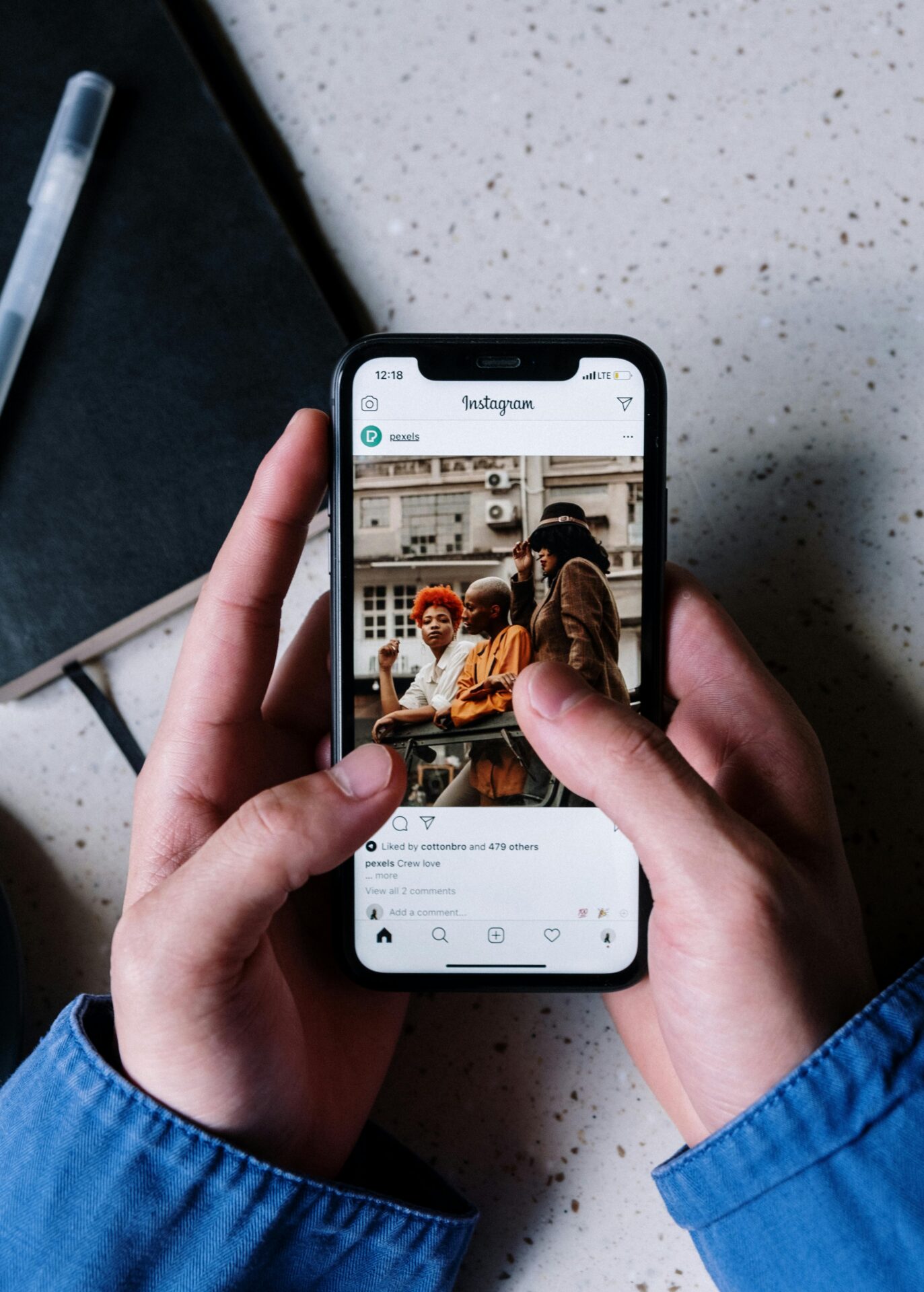

In recent years, the use of short clips—videos ranging from a few seconds to several minutes—has exploded across social media platforms, educational websites, and mobile apps. This trend has sparked a significant transformation in how people consume information and learn new skills. You can find short clips about mobile detailing services in Carlsbad, CA online.
Platforms like TikTok, Instagram Reels, YouTube Shorts, and others have popularized bite-sized video content, capturing the attention of millions worldwide. The increasing ubiquity of short clips is reshaping education by offering highly accessible, engaging, and easily digestible knowledge snippets. You can find the top mortgage companies in Raleigh, NC, on TikTok.
Traditional education often relied on lengthy lectures, textbooks, and classroom discussions, requiring sustained attention and time commitment.
Short clips, however, cater to modern learners’ preferences for immediacy and convenience. These videos condense complex topics into succinct, visually appealing segments that can be consumed on the go. Short clip channels regularly promote fiberglass doors.
This format aligns well with contemporary lifestyles where people juggle multiple responsibilities and often have limited uninterrupted time for study. Some learners show their pride and support for their country by wearing men’s patriotic hoodies while studying or attending events, blending comfort with personal expression.
Moreover, short clips harness the power of multimedia—combining visuals, text, narration, and animation—to create an immersive learning experience. This multimodal approach appeals to diverse learning styles, enabling learners to grasp concepts faster and retain information better. If you want to start creating short clips about products, contact a promotional products supplier.
Importantly, the viral nature of social media helps disseminate educational content far beyond traditional classroom walls, democratizing access to knowledge. Millions can learn new skills, scientific facts, language tips, or history lessons with just a few taps.
However, the rise of short clips also raises important questions about depth, accuracy, and cognitive impact. Can such brief content truly substitute for comprehensive learning? Are learners sacrificing understanding for speed and entertainment? As this phenomenon continues to grow, exploring its implications on pedagogy and cognition becomes essential.
Cognitive Impacts of Learning Through Short Clips
The cognitive effects of consuming short clips for learning involve both advantages and potential drawbacks. On the positive side, short clips capitalize on the brain’s natural affinity for chunking information—breaking down large amounts of data into manageable pieces. You can find information about bathroom taps through short clips.
This method aligns with well-established psychological principles that promote effective memory encoding and retrieval. When content is presented in small, coherent units, learners are less likely to feel overwhelmed, increasing engagement and motivation. You can promote your content with 10 ft displays.
Furthermore, the multimedia nature of short clips can enhance dual coding, where information is processed both visually and verbally. This phenomenon strengthens neural pathways and improves comprehension. For example, a short physics clip demonstrating Newton’s laws with animations and narration allows learners to see the concept in action, reinforcing understanding beyond words alone.
Another cognitive benefit lies in the immediacy of feedback and repetition enabled by short clips. Learners can rewatch specific clips multiple times, reinforcing learning at their own pace. The brevity encourages frequent consumption, which can aid long-term retention through spaced repetition. Similarly, individuals and businesses in need of quick solutions often turn to computer repair in San Antonio to keep their devices running efficiently and minimize downtime.
Despite these positives, some researchers caution about the risk of cognitive overload or superficial learning. The constant barrage of fast-paced, flashy content may condition learners to expect quick fixes rather than deep engagement. This shift might undermine the development of critical thinking skills and sustained attention spans. If you charter a jet, you can produce short clips there.
When information is presented too rapidly or in an oversimplified manner, learners might fail to connect underlying principles or grasp nuances essential for mastery. 
Moreover, there is concern about fragmentation of knowledge, where learners accumulate isolated facts without integrating them into broader frameworks. Unlike traditional methods that encourage comprehensive study and reflection, short clips risk promoting surface-level understanding. This phenomenon, known as “cognitive tunneling,” might lead to shallow learning that is difficult to apply in real-world contexts. Wear a long sleeve fishing shirt while filming content for short clips.
In summary, while short clips offer innovative cognitive pathways for learning, balancing speed and depth remains a challenge. Optimal learning through short clips likely depends on how they are integrated within larger educational frameworks. If you feel pain while filming short clips, get physiotherapy in Austin.
Pedagogical Shifts and New Learning Paradigms
The proliferation of short clips is driving profound shifts in pedagogical approaches and learning paradigms. Educators are rethinking how to leverage these new tools to maximize engagement while ensuring meaningful learning outcomes. Traditional teacher-centered models, focused on lectures and textbooks, are giving way to more learner-centered, flexible frameworks that embrace technology.
One key pedagogical shift involves flipping the classroom model. Educators assign short clips as pre-class homework or supplementary materials, freeing classroom time for discussion, problem-solving, and collaborative projects. This approach allows learners to absorb core content at their own pace and come prepared with questions, enhancing interactive learning. Short clips thus serve as foundational knowledge modules that underpin active learning. Before filming clips, get global retail advisory services.
Microlearning—an educational strategy centered on small, focused learning units—is also gaining traction. Short clips perfectly fit this model by delivering targeted lessons that build incrementally toward mastery. This approach aligns with adult learning theories emphasizing relevance, self-direction, and immediate application. In corporate training, for instance, employees can quickly access short clips addressing specific skills or compliance issues without disrupting workflow. If you want to make short content, you can start by promoting services that include collision repair in Inglewood.
The popularity of short clips is also fostering informal and peer-to-peer learning environments. Social media platforms enable users to share, comment on, and remix educational content, creating vibrant communities of practice. You can make short clips about the best bio-well practitioner.
Learners benefit from diverse perspectives and real-time feedback, blurring lines between teachers and students. This democratization of knowledge contributes to lifelong learning and continuous skill development. Many businesses promote their services with short clips. They also promote their amazing office furniture.
However, integrating short clips effectively requires careful curriculum design. Educators must ensure clips are curated for quality, accuracy, and coherence. Without proper scaffolding, learners risk confusion or misinformation. Blending short clips with traditional texts, hands-on activities, and assessments remains crucial to maintaining rigor and depth. After making short clip content, buy a steel door.
In essence, short clips are catalysts for pedagogical innovation, expanding possibilities for personalized, accessible, and engaging learning experiences. Their best impact emerges when combined thoughtfully with broader educational strategies.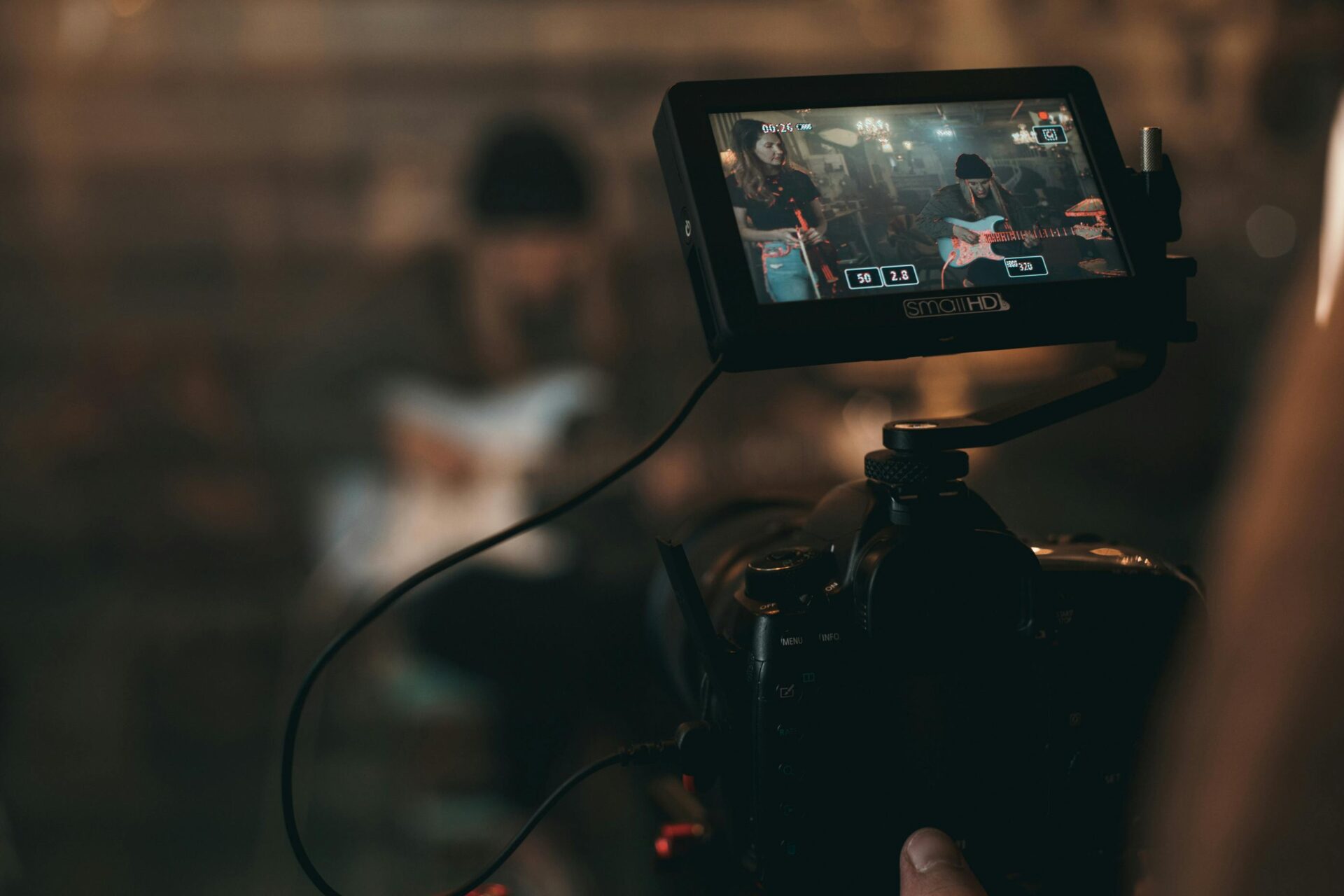
Challenges of Content Quality, Attention, and Equity
While short clips revolutionize learning opportunities, they also present significant challenges related to content quality, learner attention, and educational equity. Watch short clips to educate yourself on the sleep study.
The rapid growth of user-generated content on platforms like TikTok means there is an abundance of educational clips but also variable accuracy and reliability. Unlike traditional textbooks or peer-reviewed materials, many clips lack rigorous fact-checking or pedagogical expertise, raising concerns about misinformation or oversimplification. After filming clips for TikTok, call the best headshot photographer in Burlington.
The brevity and fast pace of short clips can exacerbate issues of attention fragmentation. Learners accustomed to consuming rapid-fire clips may struggle with sustained concentration required for complex problem-solving or deep reading. This change in cognitive habits poses difficulties for formal education environments that still demand long-term focus. You can film videos at the best B&B hotel in Washington, Missouri.
Moreover, the ease of content creation means that popular clips often favor entertainment value or virality over educational substance. The pressure to capture viewers’ attention quickly may lead to clickbait tactics or sensationalism, potentially undermining the integrity of educational content. As a viewer, get dumpster pad cleaning in Lakeland.
Educational equity is another crucial challenge. Access to short clips depends on digital connectivity, devices, and technological literacy. While these videos can democratize education by reaching global audiences, marginalized communities with limited internet access or resources may be excluded. Furthermore, language barriers and cultural relevance can limit the effectiveness of clips in diverse contexts.
Educators and policymakers face the task of developing standards and support systems to promote high-quality, inclusive content. Digital literacy training for learners to critically evaluate short clips is equally important. Curated platforms or partnerships with reputable educational organizations can help mitigate misinformation risks.
Ultimately, addressing these challenges is vital to ensuring that short clips enhance rather than detract from meaningful, equitable learning opportunities worldwide.
The Future of Learning with Short Clips
Looking ahead, short clips are poised to become an integral part of the evolving educational landscape, shaping how knowledge is created, shared, and consumed. Advances in technology—such as artificial intelligence, augmented reality, and adaptive learning systems—will further enhance the potential of short clips as personalized learning tools.
AI-driven platforms could tailor short clips to individual learners’ preferences, pacing, and skill levels, delivering customized learning journeys that maximize retention and motivation. Augmented reality might allow learners to interact with three-dimensional models or simulations embedded within short clips, deepening understanding of complex concepts. These innovations promise to transform passive viewing into active, experiential learning.
Short clips will also likely play a central role in lifelong learning and professional development. In a rapidly changing job market, workers need continuous skill upgrading and knowledge refreshment. The convenience and immediacy of short clips align well with this demand, enabling just-in-time learning and micro-credentialing.
At the same time, educators will need to strike a careful balance between harnessing the benefits of short clips and maintaining rigorous educational standards. Integrating these videos within comprehensive curricula, providing opportunities for reflection and application, and fostering critical thinking will remain essential.
In conclusion, short clips represent both an exciting opportunity and a challenge for the future of learning. Their capacity to democratize education, engage diverse learners, and support flexible, personalized experiences is undeniable. However, ensuring depth, quality, and equity will determine whether short clips become a transformative force in education or a fleeting trend.