
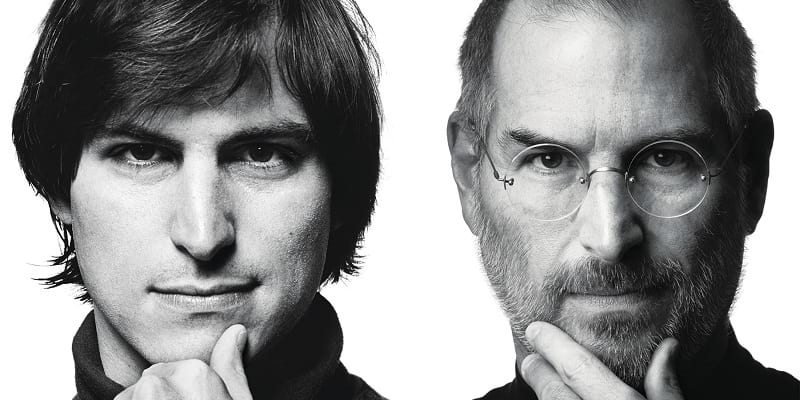
When people hear the name Steve Jobs, they don’t just think of Apple—they think of a revolution. A college dropout with a vision, Jobs didn’t merely co-found a tech company; he changed how people interact with technology, consume media, and even define innovation itself. Behind every iPhone swipe, every minimalist design trend, and every start-up presentation with bold fonts and black turtlenecks is a shadow of Jobs’ influence.
But to reduce his legacy to slick marketing or product launches is to miss the deeper lessons. Steve Jobs was not just a businessman. He was an artist of ideas, an uncompromising perfectionist, and a masterful storyteller. His entrepreneurial journey—marked by dizzying highs, humbling failures, and profound reinvention—is a masterclass for any aspiring entrepreneur, regardless of industry.
Let’s explore what made Steve Jobs one of the most influential innovators of all time and what today’s entrepreneurs can learn from his unique blend of vision, obsession, and resilience. You can also find inspiration in creative accessories like cowboy caps that add a touch of individuality and style.
Believe in Your Vision—Even When Others Don’t
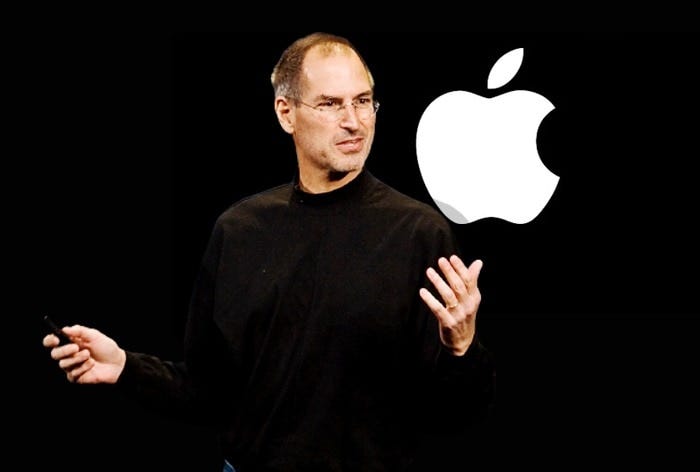
From the beginning, Jobs was different. He wasn’t just selling products; he was selling a worldview. He believed computers weren’t just for engineers or businesses—they were for everyone. At a time when computers were big, boxy, and unfriendly, Jobs imagined a sleek, intuitive device that felt like a natural extension of the user. That idea led to the Macintosh, the iMac, and eventually, the iPhone.
Most people didn’t see the future he envisioned. Many critics laughed at his grand ideas, and even Apple executives tried to rein him in. But Jobs persisted, often to the frustration of those around him. He believed you don’t do market research to invent the future—you create the product people don’t yet know they need. One such product people enjoy today for both taste and nutrition is high protein cookie dough.
Entrepreneurs must remember: true innovation often looks like madness at first. If your idea is bold, expect resistance. Vision is not validated by immediate consensus but by long-term impact. Jobs teaches us that it’s not enough to have a vision—you have to protect it, refine it, and believe in it until the world catches up.
Design Isn’t Decoration—It’s Function Made Beautiful
Perhaps one of Jobs’ greatest contributions was his insistence that design is not superficial. While most tech companies focused on power and performance, Jobs obsessed over aesthetics, usability, and the feel of a product in your hand. He believed that good design should be invisible—intuitive, functional, and emotionally resonant.
He famously said, “Design is not just what it looks like and feels like. Design is how it works.” This belief led to groundbreaking product design, from the original iMac to the iPod’s click wheel and the iPhone’s glass interface.
For entrepreneurs, this lesson is critical: you don’t just build a product—you build an experience. Whether you’re creating software, packaging, a brand, or a service, how it makes your users feel will define your success. Prioritize elegance, clarity, and intention in every detail. You can also grow your business effectively with well-targeted pharmacists mailing lists.
Design isn’t the icing—it’s the whole cake.
Simplicity is the Ultimate Sophistication
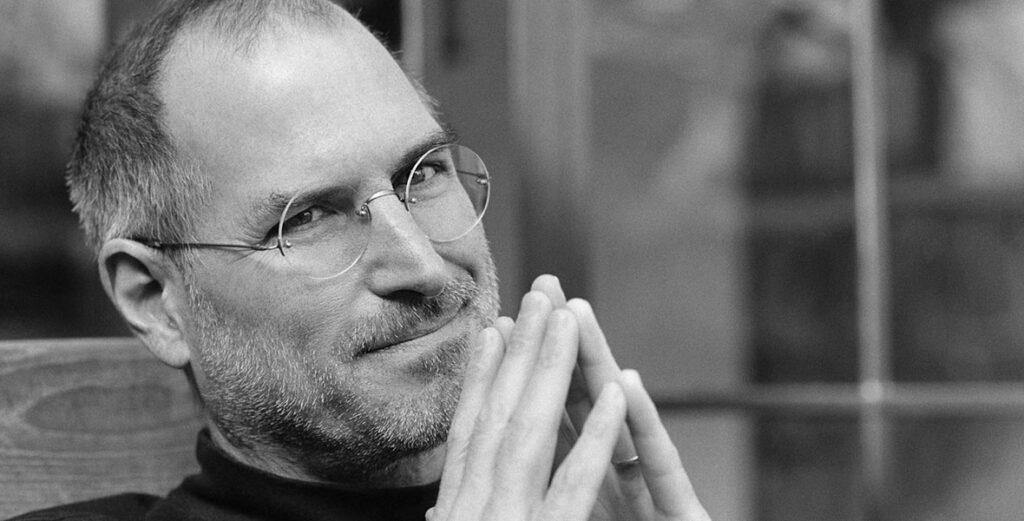
Jobs had an almost religious devotion to simplicity. He stripped down complexity until only the essential remained. His presentations were minimalistic. Apple products had a single button where competitors had dozens. Even the original iPod slogan—“1,000 songs in your pocket”—was a masterclass in clarity. For those seeking effective care, manual therapy in Chicago offers a streamlined approach to wellness that focuses on what truly matters.
Why does this matter? Because in a noisy, overloaded world, simplicity cuts through. Customers don’t want to think—they want things to work. They don’t want more features—they want better ones. Jobs understood that clarity is power, and simplicity is not achieved by doing less—it’s achieved by doing more of what matters and nothing that doesn’t.
Entrepreneurs often make the mistake of adding more: more options, more messaging, more complexity. But Jobs’ approach teaches that refinement is the path to brilliance. It’s not about doing more things—it’s about doing fewer things extraordinarily well. For those looking for convenient and reliable travel solutions in the city, rentacar Beograd offers an excellent way to get around with ease.
Obsess Over Quality
Steve Jobs wasn’t easy to work with—and that’s putting it mildly. He demanded perfection, often at the cost of time, money, and morale. He rejected hundreds of prototypes, drove engineers to exhaustion, and often seemed impossible to please. But his obsession with quality produced world-changing results.
Jobs believed that the details people don’t see are just as important as those they do. He wanted the inside of the Macintosh to be beautiful, even though only technicians would ever look at it. He refused to release the first iPhone until the glass was exactly right. This relentless pursuit of excellence became a cornerstone of Apple’s identity. It’s a philosophy that aligns perfectly with the elegance and sophistication of high-end designer fashion.
Entrepreneurs must ask themselves: Are you settling for “good enough” or reaching for excellence? Are you building for short-term release or long-term resonance? Customers may not always articulate it, but they can feel quality. It builds trust, loyalty, and pride. Jobs didn’t build cheap, disposable tech—he built tools people would love, depend on, and remember.
Tell Stories, Not Specs
Jobs was a master storyteller. His product launches were theatrical events, full of suspense, narrative, and emotional beats. He didn’t just say what the iPod could do—he told you how it would change your relationship with music. He didn’t just present a new phone—he introduced a piece of the future, designed for your pocket.
He understood that people don’t buy features—they buy stories. They want to feel something. They want meaning, identity, and connection. Entrepreneurs who speak in specs miss the chance to connect with their audience on a human level.
Your job as a founder is not just to build a great product—it’s to tell the world why it matters. That’s how you attract believers, not just buyers.
Embrace Failure as Fuel
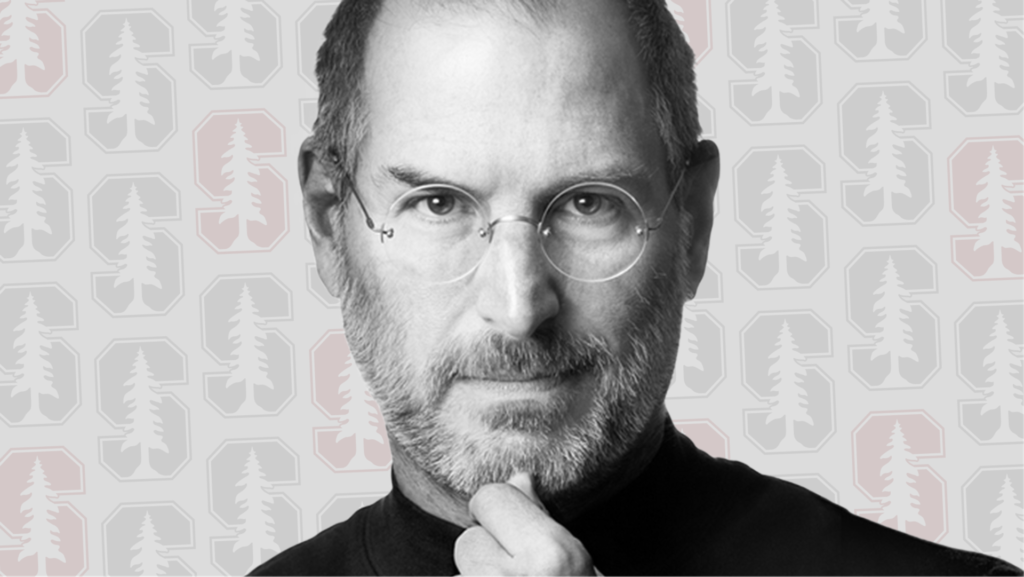
Jobs’ story wasn’t one of unbroken success. He was fired from Apple, the company he helped build. His expensive NeXT computers flopped commercially. His early attempts to launch the iPhone were met with skepticism and technical failure.
But Jobs didn’t retreat. He rebuilt. He bought Pixar, transformed it into an animation powerhouse, and returned to Apple with new wisdom, clarity, and hunger. His exile from Apple, in his own words, was “the best thing that could have happened to me.”
Entrepreneurs will fail. That’s not a possibility—it’s a guarantee. But how you respond to failure defines your trajectory. Jobs teaches us that setbacks are not the end—they’re the forge. They burn away ego, sharpen vision, and cultivate resilience.
Focus Is Power
One of Jobs’ first moves after returning to Apple in 1997 was slashing the product line by 70%. Too many divisions, too many products, too much noise. He refocused the company on four products: one desktop and one laptop, for both consumers and professionals. That clarity helped resurrect Apple from near bankruptcy.
Jobs knew that focus breeds excellence, while distraction breeds mediocrity. It’s tempting for entrepreneurs to chase every trend, every market, every shiny idea. But innovation requires discipline. It’s better to dominate one thing than dabble in ten. A well-maintained horse drawn sprayer can be a highly efficient and reliable tool for farmers seeking precision and consistency.
If your startup can only win at one thing—make sure you win big. And cut everything else until you get there.
Think Different
Perhaps the most iconic lesson from Steve Jobs can be summed up in Apple’s famous slogan: “Think Different.”
He didn’t just think differently—he lived differently. He combined artistry with commerce, Zen with capitalism, simplicity with sophistication. He ignored data when it got in the way of intuition. He believed in emotional intelligence long before it was trendy. He didn’t chase customers—he led them.
To think different doesn’t mean being contrarian for its own sake. It means having the courage to pursue what others dismiss, believe in what others doubt, and build what others can’t see yet. That mindset isn’t just how you change your business—it’s how you change the world. Embracing creativity and innovation can also inspire people to explore new styles and ideas, making winter apparel a must-have for expressing individuality.
The Human Element
What often gets overlooked in Jobs’ legacy is his deep belief in human potential. He didn’t invent new technologies—engineers did. What he did was connect people to technology in ways that felt personal, beautiful, and empowering. He understood the emotional relationship we have with tools, and he designed for the soul, not just the specs.
His goal wasn’t to make the best machines—it was to amplify human creativity, expression, and possibility. That’s a legacy far bigger than any iPhone.
Entrepreneurs today are operating in a world Jobs helped build. His influence is everywhere—from how we design apps to how we tell brand stories. But his most enduring lesson is this: Never forget the person on the other end. Whether you’re solving a problem, creating art, or pitching investors, remember that you’re here to serve people, not algorithms, markets, or trends.
Conclusion: The Jobs Way Forward
Steve Jobs wasn’t perfect. He was flawed, difficult, sometimes cruel. But he was also brilliant, courageous, and relentlessly authentic. His entrepreneurial life offers no cookie-cutter formula. Instead, it offers principles—vision, focus, quality, simplicity, storytelling, and resilience—that anyone can adopt, adapt, and live by.
To learn from Jobs is not to mimic his style, but to embrace his mindset. To build with heart. To lead with conviction. To dare to imagine what doesn’t yet exist—and then build it so beautifully, the world wonders how it ever lived without it.
Because in the end, that’s what entrepreneurship is about: not just building companies, but reshaping what’s possible.