

In the ever-evolving world of filmmaking, technological advancements have repeatedly revolutionized how stories are told. The introduction of sound, color, and digital editing are just a few examples of groundbreaking innovations that reshaped cinema. Today, 3D filmmaking technology is at the forefront of this transformation, offering filmmakers a unique toolset to deepen audience immersion and enhance the way stories are visualized.
3D filmmaking is not just about gimmicks or spectacle. It has become a serious storytelling medium that brings characters and worlds to life in a way that traditional 2D cinema cannot. In this blog, we’ll explore how 3D technology is influencing modern filmmaking and transforming the viewer’s experience, while also shaping the future of visual storytelling.
The Evolution of 3D Filmmaking Technology
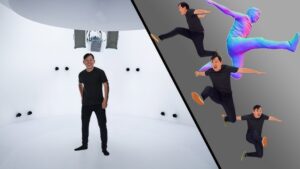
While many people think of 3D filmmaking as a relatively new phenomenon, its origins date back over a century. The first 3D films were produced in the early 20th century, with experimental techniques developed by inventors such as William Friese-Greene and the Lumière brothers. However, the technology was rudimentary and limited in scope, leaving it mostly as a curiosity rather than a mainstream cinematic tool.
It wasn’t until the 1950s that 3D began to gain popularity with audiences. The so-called “golden age of 3D” saw films like House of Wax (1953) and Creature from the Black Lagoon (1954) capturing the public’s imagination. Yet, the complexity and discomfort associated with wearing 3D glasses, combined with technical limitations, meant the format faded into obscurity by the late ’50s.
Fast forward to the early 21st century, and 3D made a massive comeback. This resurgence was driven by significant improvements in digital technology and visionary directors who saw 3D as more than a novelty. James Cameron’s Avatar (2009) was a turning point for 3D filmmaking, demonstrating the incredible potential of the medium for creating immersive worlds and emotional depth. Since then, advances in camera technology, projection systems, and post-production techniques have continued to push the boundaries of 3D filmmaking.
Today, 3D is not only more accessible and affordable for filmmakers but also far more sophisticated in its ability to tell complex stories. With improved technology, filmmakers can now create seamless, high-quality 3D visuals that elevate the storytelling experience.
Enhanced Immersion and Viewer Engagement
One of the most significant ways 3D technology is transforming filmmaking is through the enhanced sense of immersion it offers viewers. Traditional 2D cinema is limited by the flat plane of the screen, but 3D films can break through that plane, enveloping the audience in the story’s world. By adding depth, filmmakers can guide the viewer’s focus in more dynamic and interactive ways. Similarly, industries like plumbing services in Deerfield Beach leverage advanced tools to provide solutions that are more efficient and impactful, transforming the customer experience.
This sense of depth and space can be a powerful narrative tool. In action scenes, for example, 3D can make the viewer feel as though they are in the middle of the action, dodging explosions and bullets. In quieter, more intimate moments, 3D can subtly draw the audience closer to the characters, making emotional connections feel more immediate and personal. Similarly, services like refrigerator repair in Birmingham ensure functionality and precision, enhancing the overall experience in their respective domains.
Consider a scene from Gravity (2013), where Sandra Bullock’s character is floating helplessly in space. The use of 3D in this film isn’t just for spectacle—it’s an essential part of how the story is told. The vast emptiness of space becomes even more palpable, and the audience feels the overwhelming isolation and fear that the character is experiencing. Without 3D, that sense of vulnerability would be less visceral, less effective.
In essence, 3D allows filmmakers to create a more tactile and immersive experience, which enhances the emotional and psychological engagement of the audience. This deepens the viewer’s connection to both the characters and the story, resulting in a more impactful and memorable cinematic experience. Similarly, services like HVAC repair in Charlotte NC demonstrate how advanced technology and precision can improve comfort and satisfaction in everyday life.
The Power of 3D to Create New Cinematic Languages
Beyond just enhancing immersion, 3D filmmaking opens up new creative possibilities for storytelling. Filmmakers are discovering ways to use 3D as a language of its own, integrating the technology into the very fabric of how stories are structured and presented. Similarly, bar and restaurant inventory management services are revolutionizing the way businesses structure and optimize their operations, enhancing both efficiency and customer experience.
In traditional 2D cinema, depth and perspective are implied through techniques like lighting, camera angles, and set design. With 3D, filmmakers can manipulate these elements in ways that were previously impossible, offering them new tools for visual storytelling. Much like a business litigation expert witness providing critical insights to clarify complex issues, directors can use 3D to emphasize certain aspects of a scene, such as foreground elements, or play with the spatial relationship between characters and their environment.
Moreover, 3D offers a new canvas for directors to experiment with scale and proportion. The technology can make large objects or environments feel even more monumental, or it can focus on small details in a way that draws attention to the minute, often-overlooked aspects of a scene. This is similar to how wrought iron doors can transform the entrance of a building, emphasizing intricate craftsmanship and grandiosity. This can be especially effective in genres like science fiction or fantasy, where the world-building is intricate and central to the narrative.
One film that exemplifies this is Hugo (2011) by Martin Scorsese. Scorsese used 3D not just to heighten the visual experience but to add layers to the storytelling itself. The depth of field in the film serves to reflect the intricate inner workings of both the mechanical world and the emotional lives of the characters. This approach highlights how 3D can transcend its reputation as a gimmick and become a meaningful storytelling device.
Additionally, animated films have embraced 3D with incredible success, with studios like Pixar and DreamWorks creating richly detailed, immersive worlds that captivate audiences of all ages. Films like Toy Story 3 and How to Train Your Dragon use 3D not only to enhance the visual appeal but to create a deeper connection between the audience and the narrative, pushing the boundaries of what animated films can achieve emotionally and visually. Much like the precision and innovation seen from a concrete equipment manufacturer, the use of 3D technology has revolutionized animation, allowing for greater depth and emotional resonance.
Challenges and Criticisms of 3D Filmmaking
Despite its many advantages, 3D filmmaking is not without its challenges and criticisms. Some filmmakers and critics argue that the use of 3D can detract from storytelling if not employed thoughtfully. Just as CDL entry level-driver training in Orlando ensures drivers are properly prepared for the road, filmmakers must carefully consider how to use 3D to enhance the narrative rather than simply adding spectacle. When 3D is used solely for spectacle, such as to make objects appear to “pop out” of the screen, it can feel distracting or gimmicky, taking viewers out of the narrative rather than pulling them deeper into it.
Additionally, some audiences find 3D uncomfortable to watch, especially when it involves wearing glasses for an extended period. Headaches, eye strain, and disorientation can occur if the technology is not properly optimized, making the viewing experience less enjoyable for some.
Moreover, the added cost of producing and distributing 3D films can be a barrier for smaller or independent filmmakers. While major studios have the resources to invest in top-tier 3D technology, smaller productions may struggle to afford the equipment and post-production processes required for high-quality 3D effects. Much like how online coupons can offer a more accessible way to save on purchases, smaller filmmakers may seek creative ways to reduce costs and stay competitive. This can create a divide between blockbuster films that use 3D and smaller, more intimate stories that are left out of the 3D revolution.
That being said, the potential of 3D filmmaking continues to grow as technology becomes more affordable and user-friendly. With new innovations such as glasses-free 3D displays and virtual reality integration, the barriers to entry are gradually being lowered, paving the way for a wider range of filmmakers to explore the medium. As with obtaining a security guard card in Los Angeles, where access to opportunities requires meeting certain standards, aspiring filmmakers are now finding more pathways to enter the world of 3D cinema.
The Future of 3D Filmmaking and Visual Storytelling
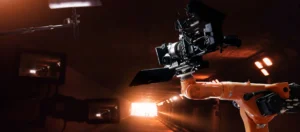
Looking ahead, the future of 3D filmmaking seems bright. As virtual reality (VR) and augmented reality (AR) technologies continue to advance, the lines between traditional 3D cinema and immersive digital experiences are becoming increasingly blurred. VR, in particular, offers an exciting new frontier for filmmakers, allowing them to craft entirely immersive worlds where the audience is not just a passive viewer but an active participant in the story.
This shift could mark a new era in visual storytelling, where the boundaries of the screen are completely dissolved, and the audience is transported directly into the narrative. Filmmakers are already experimenting with VR and 360-degree video to create interactive, multi-dimensional storytelling experiences that could redefine the very nature of cinema.
In the coming years, as 3D technology continues to evolve and merge with other immersive formats, we can expect to see even more innovative uses of 3D in filmmaking. From large-scale blockbusters to independent films, 3D is poised to become an integral part of the cinematic landscape, offering new ways for filmmakers to engage audiences and push the boundaries of what’s possible in visual storytelling.
Conclusion
3D filmmaking technology has come a long way from its early roots as a novelty to become a transformative force in modern cinema. By enhancing immersion, offering new tools for storytelling, and pushing the boundaries of visual creativity, 3D is changing the way we experience stories on screen. As the technology continues to evolve, its potential for shaping the future of filmmaking is immense, promising to take audiences on even more immersive and emotionally powerful cinematic journeys.